
![Arc_Oklahoma_Color_Rev_JPG[568]_edited_e](https://static.wixstatic.com/media/9f7831_80a176e02355482494db0da6392ed75d~mv2.jpg/v1/fill/w_245,h_142,al_c,q_80,usm_0.66_1.00_0.01,enc_avif,quality_auto/Arc_Oklahoma_Color_Rev_JPG%5B568%5D_edited_e.jpg)
Makeup and Mobility: How Lindsey Spoon turned a beauty channel into an advocacy platform
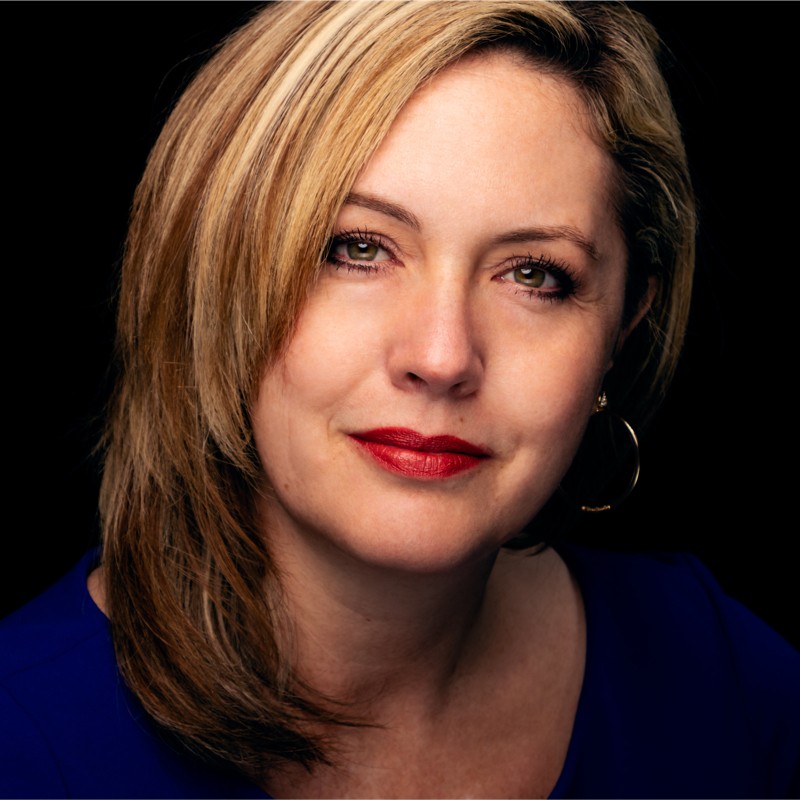
Lindsey Spoon started a YouTube channel to talk about makeup. She's done her own since sixth grade, and Makeup and Mobility began as a place to review products and share tips. It didn't stay just a beauty channel for long.
Scroll through her uploads now, and you'll find a Rare Beauty haul next to a video called "Let's talk about disability and depression." A review of a self-priming foundation sits a few videos away from her explaining how she handles a bad mental health day. Lindsey never decided to separate the two. The channel grew into whatever she needed to talk about that week, and for Lindsey, that's always included both.
Who she is
Lindsey has an intellectual and developmental disability and cerebral palsy and uses a wheelchair for mobility. She's worked as the receptionist at Owasso Community Resources for more than ten years. She spends her free time with a social group called the Owasso Spirits, bowling and dancing with other adults with disabilities in the Owasso area. She competes in Special Olympics bowling at the state level.
She's also the only self-advocate currently serving on The Arc of Oklahoma's board, a role she takes seriously and hopes won't remain a solo one much longer. She sits on the board of Tulsa Cerebral Palsy as well, an organization that helps cover therapies and equipment that insurance often won't.
How a beauty channel became an advocacy platform
Lindsey's advocacy didn't start on YouTube. It started with the Youth Leadership Forum, a program for high school juniors and seniors with intellectual and developmental disabilities, where she first learned what self-advocacy actually meant, not as a concept, but as something she could do herself.
The channel became the place where advocacy showed up publicly. When Rare Beauty donates a portion of each sale to a mental health fund for young people, Lindsey doesn't just review the products; she talks about why that mission matters to her. When she's had a hard week, she doesn't skip the video; she makes one about how she got through it: leaning on a self-care app, writing music, checking in with friends, and calling on advocacy itself as something that makes her feel better, not worse.
That last part surprises people. Lindsey has said publicly that advocacy is one of the things that helps her manage a hard mental health day, not despite the disability community's challenges, but because of them. Speaking up about a proposed policy change, she's said, makes her feel like she's doing something with the frustration instead of just carrying it.
Advocacy that shows up in real rooms
That's not an abstract claim. Lindsey has testified alongside a state senator on a proposed rule change that would have limited access to mental health services for people receiving residential disability care, work she did directly with a local service provider fighting the same change. She's sat on panels about living with co-occurring mental health and physical disabilities. And she trains other people through Mental Health First Aid, an evidence-based curriculum she teaches on behalf of The Arc of Oklahoma.
Why the mental health piece matters to her
Lindsey has been open, on her channel and in public settings, about living with a mental health diagnosis alongside her physical and developmental disabilities, including a crisis she went through several years ago. She's talked about how hard it was to find the right care in Oklahoma at the time, and about the people at The Arc who helped her get it.
That experience is a big part of why she teaches Mental Health First Aid now. Not as an abstract cause, but as something she wishes someone had trained the people around her to recognize sooner.
"Don't be afraid to speak up," she says. "It took me four years to speak up. Don't be afraid to make changes. You don't know what's out there until you advocate for it."
If you or someone you know is struggling, the 988 Suicide and Crisis Lifeline is available by call or text, and the Tulsa area can also reach COPES, a mental health crisis line at 918-744-4800.
What she wants people to know
Lindsey describes The Arc the same way she describes her own approach to advocacy: "If we don't have the answer, we're going to go find it." She doesn't wait until she has everything figured out before she speaks up, and she doesn't expect anyone else to either.
Her channel still has plenty of product reviews. It also has her talking through what depression actually feels like, and why she thinks people are afraid to say so out loud. For Lindsey, that was never two different channels. It was always going to be one.


Comments